Sheikha Mahra of Dubai: Royal Life of Tradition, Influence, and Modern Identity
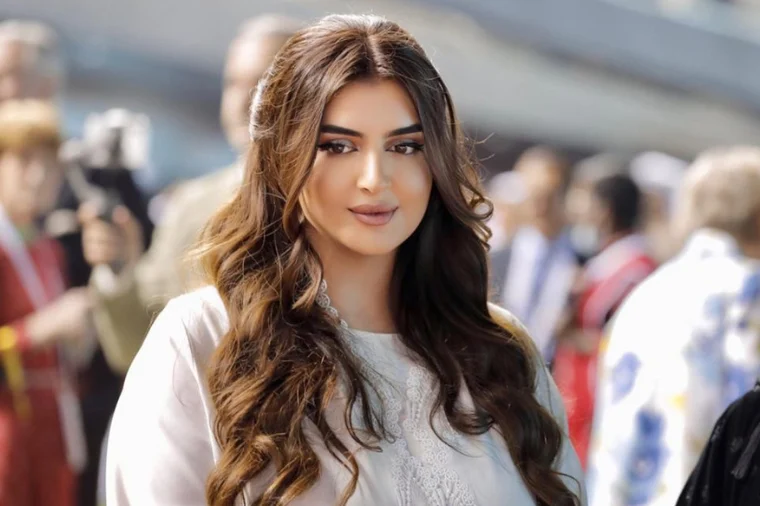
Sheikha Mahra bint Mohammed bin Rashid Al Maktoum has become one of the most recognized members of Dubai’s younger royal generation. As the daughter of His Highness Sheikh Mohammed bin Rashid Al Maktoum, she is associated with one of the most influential families in the United Arab Emirates. Interest in her life continues to grow because she represents a blend of royal heritage, modern identity, cultural pride, and public influence.
Dubai is known globally for luxury tourism, innovation, entrepreneurship, real estate development, business opportunities, and economic growth. Because of Dubai’s international reputation, members of the ruling family attract attention from people around the world. Sheikha Mahra is often discussed in relation to Emirati culture, modern royal life, leadership values, and the changing role of young public figures in contemporary society.
Her public image reflects a balance between tradition and progress. While remaining connected to Emirati customs and values, she is also viewed as part of a generation growing up in a globally connected environment. This combination makes her an interesting figure for people interested in UAE culture, women’s leadership, social influence, and the future of the Gulf region.
Table of Contents
Who Is Sheikha Mahra?
Sheikha Mahra is a member of the Al Maktoum family, the ruling family of Dubai. Her connection to the royal family naturally places her in the public spotlight. Many people are interested in her background because the Al Maktoum family has played a central role in shaping Dubai’s development and international reputation.
As a young member of the royal family, Sheikha Mahra is often seen as representing the future generation of Emirati leadership and cultural representation. Her popularity extends beyond the UAE because Dubai itself has become a globally recognized city associated with luxury, innovation, tourism, and economic success.
Public interest in Sheikha Mahra is often linked to curiosity about modern royal life. People want to understand how younger members of royal families balance traditional responsibilities with the realities of a rapidly changing world. This interest continues to grow as social media and digital platforms create greater visibility for public figures.
The Legacy of Dubai’s Royal Family
The Al Maktoum family has guided Dubai through decades of remarkable growth. What was once a regional trading center has transformed into a global destination for business, tourism, aviation, logistics, technology, and investment. This transformation has become one of the most recognized development stories in the world.
Dubai’s success is often associated with visionary leadership, strategic planning, and long-term investment in infrastructure. Major projects, transportation networks, business zones, and tourism initiatives have helped position Dubai among the world’s most influential cities.
Members of the ruling family are frequently connected with these achievements because they symbolize continuity, stability, and national development. Younger members such as Sheikha Mahra inherit not only a respected family name but also the responsibility of representing values associated with progress and cultural pride.
The royal family’s influence extends beyond government. It is also linked to education, culture, social development, innovation, and community initiatives that contribute to the UAE’s long-term goals.
Education and Personal Development
Education is a major priority within the UAE. The country has invested heavily in schools, universities, research institutions, and innovation programs designed to prepare future generations for success.
For members of prominent families, education often includes both academic achievement and cultural understanding. Learning is viewed as a foundation for leadership, responsibility, and personal growth. These principles help young people develop the skills needed to contribute positively to society.
Personal development today also involves communication, technology awareness, global understanding, and adaptability. The modern world requires individuals to navigate rapidly changing environments while remaining grounded in their values and identity.
As a representative of a younger generation, Sheikha Mahra is often associated with these qualities. Her image reflects the importance of balancing heritage with learning, ambition, and awareness of global trends.
Tradition and Cultural Heritage
One of the defining characteristics of Emirati society is its commitment to preserving cultural heritage. Despite modernization and economic growth, traditional values remain central to national identity.
Family plays a vital role in Emirati culture. Respect for elders, community support, hospitality, generosity, and cultural continuity are deeply rooted traditions that continue to shape daily life. These values are often highlighted during national celebrations, cultural festivals, and heritage events.
Traditional clothing, language, poetry, arts, and customs remain important symbols of identity. Public figures associated with these traditions often help strengthen appreciation for cultural heritage among younger generations.
Sheikha Mahra’s public image is frequently connected with elegance, cultural pride, and respect for Emirati traditions. This association contributes to her popularity among people who appreciate authenticity and heritage.
Maintaining cultural traditions while embracing innovation has become one of the UAE’s greatest strengths. This balance allows the country to remain globally competitive while preserving its unique identity.
Modern Identity in a Global World
Globalization has transformed the way people communicate, learn, and engage with the world. Access to technology, education, travel, and digital media has created new opportunities for younger generations.
At the same time, societies continue to seek ways to preserve their cultural values. Modern identity is often about finding a balance between tradition and progress. This challenge is particularly relevant in countries experiencing rapid economic and social development.
Dubai provides an excellent example of this balance. The city embraces innovation, entrepreneurship, and international business while continuing to celebrate Emirati culture and national heritage.
Many observers view Sheikha Mahra as a symbol of this modern identity. Her public image reflects the idea that cultural pride and global engagement can coexist successfully.
This message resonates strongly with younger audiences who are navigating similar questions about identity, ambition, and cultural belonging in an increasingly interconnected world.
Women’s Leadership in the UAE
The UAE has made significant progress in creating opportunities for women across multiple sectors. Women today contribute to government, education, healthcare, science, technology, entrepreneurship, and business leadership.
National initiatives have encouraged greater participation and professional development, helping women play increasingly important roles in society. Educational achievements and career advancement continue to be key priorities.
Visible female role models can have a positive impact on younger generations. They demonstrate that success, leadership, and cultural identity can work together rather than compete with one another.
As a prominent female public figure, Sheikha Mahra is often associated with discussions about empowerment, education, opportunity, and leadership. While public perceptions vary, her visibility contributes to broader conversations about women’s achievements in the region.
The continued advancement of women in different industries reflects the UAE’s commitment to long-term development and inclusion.
Public Influence and Recognition
Influence in the digital age is different from previous generations. Social media platforms allow public figures to connect directly with audiences and shape conversations on a global scale.
People follow public personalities for many reasons, including inspiration, cultural insights, fashion, lifestyle interests, and perspectives on important issues. Public influence often depends on credibility, authenticity, and meaningful representation.
Interest in Sheikha Mahra reflects a wider fascination with Dubai, the UAE, and modern royal families. Her popularity demonstrates how public figures can become symbols of cultural identity and national pride.
Recognition also brings responsibility. Influential figures are often expected to promote positive values, encourage respect, and contribute to constructive discussions. These expectations have become increasingly important in an era of constant digital communication.
As public interest continues to grow, visibility and influence remain significant aspects of modern public life.
Dubai’s Global Reputation
Dubai has built an international reputation as a center for innovation, tourism, luxury hospitality, aviation, trade, and investment. Millions of visitors travel to the city each year, attracted by its unique combination of business opportunities and lifestyle experiences.
The city’s strategic location between Europe, Asia, and Africa has helped establish it as a global hub for commerce and transportation. Investments in infrastructure, technology, and economic diversification have strengthened its international position.
Dubai is also known for iconic architecture, world-class events, and ambitious development projects. These achievements contribute to a global image associated with growth, opportunity, and ambition.
Because of this reputation, interest in members of Dubai’s ruling family extends far beyond the region. People often see them as representatives of the values and vision that have shaped the city’s success.
Sheikha Mahra benefits from this international visibility, which helps explain why her name is frequently discussed in relation to modern Emirati culture and identity.
Future Outlook
The UAE continues to invest in innovation, sustainability, education, and advanced technologies. Future development strategies emphasize knowledge, creativity, and economic diversification as essential components of national progress.
Emerging sectors such as artificial intelligence, renewable energy, digital transformation, and advanced manufacturing are expected to play increasingly important roles. These investments are designed to create opportunities for future generations.
Younger leaders and public figures are likely to contribute to this vision by promoting awareness, encouraging participation, and representing national values. Cultural continuity will remain important even as society evolves.
For many observers, Sheikha Mahra symbolizes the connection between heritage and progress. Her public image reflects the idea that modernization does not require abandoning tradition.
This balance may continue to define the UAE’s development model in the years ahead, helping the country maintain its unique identity while remaining globally competitive.
Frequently Asked Questions
Who is Sheikha Mahra?
Sheikha Mahra is a member of Dubai’s ruling Al Maktoum family and the daughter of Sheikh Mohammed bin Rashid Al Maktoum.
Why is Sheikha Mahra popular?
She is recognized for her royal heritage, public visibility, cultural representation, and association with modern Emirati identity.
What does Sheikha Mahra represent?
She is often viewed as a symbol of cultural pride, tradition, modern identity, and the aspirations of a younger generation.
Why is Dubai’s royal family important?
The ruling family has played a major role in Dubai’s transformation into a globally recognized city known for business, tourism, innovation, and development.
How does Sheikha Mahra reflect modern UAE society?
Her public image reflects a balance between cultural heritage and modern aspirations, a theme that resonates strongly throughout the UAE.
Conclusion
Sheikha Mahra of Dubai represents a compelling combination of tradition, influence, and modern identity. Her connection to the Al Maktoum family places her within a legacy that has helped shape one of the world’s most recognized cities. At the same time, her public image reflects the values of a younger generation navigating a rapidly changing global environment.
Interest in Sheikha Mahra extends beyond royal family curiosity. It is also connected to broader themes such as cultural preservation, women’s leadership, education, public influence, and national development. These themes continue to shape conversations about the future of the UAE and its place in the world.
As Dubai continues to grow and evolve, figures associated with its heritage and identity are likely to remain important symbols of continuity and progress. Sheikha Mahra’s popularity demonstrates how tradition and modernity can coexist, creating a powerful representation of contemporary Emirati society.