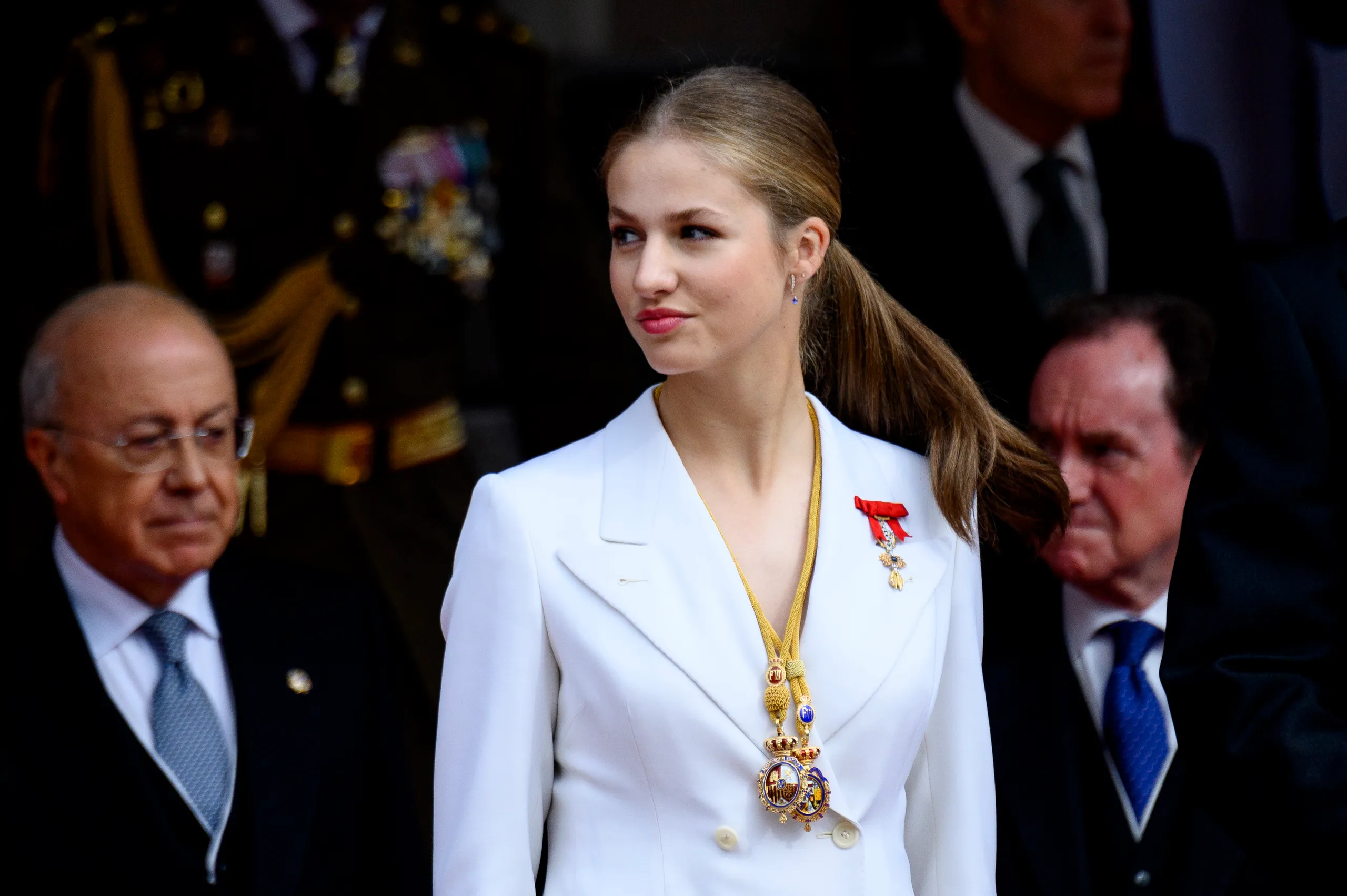
Princess Leonor: A Future Queen Dedicated to Helping Society and Public Service
Princess Leonor, Princess of Asturias, is widely recognized as the future Queen of Spain. As the eldest daughter of King Felipe VI and Queen Letizia, she represents the next generation of Spanish royal leadership. While much public attention focuses on her future constitutional role, many people are equally interested in her education, personal development, and preparation for a life dedicated to public service.
Growing up within Spain’s royal family has given Princess Leonor a unique perspective on leadership, responsibility, and civic duty. From a young age, she has been introduced to official ceremonies, cultural events, and public engagements that highlight the importance of serving society. These experiences help prepare her for future responsibilities while also allowing her to understand the diverse needs of Spanish communities.
Modern monarchies increasingly emphasize social awareness, education, and public engagement. In this environment, Princess Leonor is often viewed as a symbol of continuity, stability, and hope for future generations. Her journey reflects the balance between tradition and modernity that many European royal families seek to maintain.
Table of Contents
- Who Is Princess Leonor?
- The Spanish Royal Family and Public Service
- Education and Leadership Development
- Values of Responsibility and Compassion
- Understanding Social Challenges
- Preparing for the Future Role of Queen
- Public Recognition and International Interest
- Frequently Asked Questions
- Conclusion
Who Is Princess Leonor?
Leonor de Borbón y Ortiz, commonly known as Princess Leonor, is the heir presumptive to the Spanish throne. Born into one of Europe’s most recognized royal families, she has spent her early years balancing education with public responsibilities. As Princess of Asturias, she holds a title traditionally given to the heir to the Spanish crown.
Her position naturally attracts attention both within Spain and internationally. Many people view her as a representative of the future of the monarchy and as someone who will eventually inherit important constitutional responsibilities. Because of this, her education and development are followed closely by citizens, observers, and media organizations.
Although she is still young, Princess Leonor has already participated in several public events that demonstrate her growing confidence and commitment to service. These appearances allow the public to see her gradually preparing for future leadership responsibilities.
The Spanish Royal Family and Public Service
The Spanish royal family plays an important symbolic role in national life. While Spain is a constitutional monarchy, members of the royal family often participate in events that promote unity, culture, education, and social development.
King Felipe VI and Queen Letizia have consistently emphasized values such as integrity, responsibility, and service. Through official engagements, they support organizations and initiatives connected to education, culture, healthcare, research, and social welfare.
Growing up in this environment has exposed Princess Leonor to the importance of public service from an early age. Observing her parents perform official duties provides valuable lessons about leadership and civic responsibility.
Royal families today are expected to maintain strong connections with society. Rather than existing apart from the public, they often participate in events that highlight important national issues and celebrate the achievements of citizens and organizations. This approach helps strengthen the relationship between institutions and the communities they serve.
Princess Leonor’s upbringing reflects these modern expectations. Her preparation involves learning how to communicate effectively, understand public concerns, and represent Spain with dignity and professionalism.
Education and Leadership Development
Education is one of the most important aspects of Princess Leonor’s preparation for future responsibilities. Academic learning helps build knowledge, critical thinking, and awareness of national and international issues.
Throughout her studies, she has been exposed to a broad range of subjects that contribute to personal and intellectual development. Learning about history, politics, languages, culture, and global affairs helps prepare future leaders for complex responsibilities.
International educational experiences also provide opportunities to interact with people from diverse backgrounds. Such experiences encourage understanding, adaptability, and cultural awareness—qualities that are increasingly valuable in today’s interconnected world.
Leadership development involves more than academic achievement. It also requires communication skills, emotional intelligence, discipline, and the ability to understand different perspectives. These qualities are essential for individuals who will represent institutions and engage with the public.
Princess Leonor’s educational journey reflects a broader commitment to preparation and personal growth. By investing in learning and development, future leaders become better equipped to serve society effectively.
Many observers believe that education plays a key role in helping public figures understand social challenges and contribute positively to national discussions. Knowledge creates opportunities for informed decision-making and responsible leadership.
Values of Responsibility and Compassion
One of the qualities often associated with effective leadership is a strong sense of responsibility. Public service requires individuals to consider the needs of others and to act in ways that promote the common good.
Princess Leonor is frequently described as someone being raised with values that emphasize respect, dedication, and service. These values are important because they help shape how future leaders approach their responsibilities.
Compassion is another important aspect of public life. Understanding the experiences of different communities allows leaders to connect with people more effectively and appreciate the challenges they face.
Modern societies are diverse and complex. Leaders must be able to listen, learn, and respond thoughtfully to a wide range of concerns. Developing empathy and awareness helps strengthen relationships between institutions and citizens.
While Princess Leonor’s future role will be largely constitutional, the values she develops today may influence how she engages with society throughout her life. Public trust is often built on authenticity, respect, and a genuine interest in serving others.
These principles are not unique to royal families. They are qualities that many people admire in leaders across all sectors, including education, business, government, and community organizations.
Understanding Social Challenges and Community Needs
Every society faces challenges related to opportunity, education, healthcare, economic development, and social inclusion. Understanding these issues is an important part of preparing for public service.
Through official events and educational experiences, Princess Leonor has been introduced to many aspects of Spanish society. Exposure to different communities and organizations helps future leaders gain a broader understanding of the people they serve.
Community organizations often play a vital role in addressing local challenges. They support education programs, cultural initiatives, youth development projects, and services designed to improve quality of life. Public institutions frequently collaborate with these organizations to promote positive outcomes.
Awareness of social issues encourages thoughtful engagement and informed decision-making. It also helps public figures recognize the importance of collaboration in creating solutions.
Modern leadership is increasingly focused on listening and understanding. Rather than simply speaking on behalf of others, effective leaders seek to learn from diverse experiences and perspectives.
Princess Leonor’s gradual introduction to public life allows her to observe these realities firsthand. Such experiences contribute to a deeper appreciation of the opportunities and challenges that shape contemporary society.
As future responsibilities increase, this understanding may help strengthen her ability to connect with citizens from different backgrounds and regions.
Preparing for the Future Role of Queen
Becoming Queen of Spain involves far more than holding a title. It requires years of preparation, education, and public engagement. Future monarchs must understand constitutional principles, national history, international relations, and the responsibilities associated with representing their country.
Preparation also includes developing personal qualities such as resilience, professionalism, and integrity. Public figures often face significant scrutiny, making strong character an essential component of leadership.
The transition from student to future queen will occur gradually. Over time, Princess Leonor is expected to participate in additional public engagements and represent Spain at a wider range of events.
These experiences provide valuable opportunities to build confidence and gain practical understanding of public responsibilities. Each engagement contributes to her ongoing development as a representative of the Spanish state.
Modern monarchies continue to evolve in response to changing social expectations. Future leaders are expected to be informed, approachable, and aware of contemporary challenges. This evolution places greater emphasis on communication and public engagement.
Princess Leonor’s preparation reflects these realities. Her development combines traditional royal responsibilities with modern expectations of transparency, education, and service.
For many people, she symbolizes continuity and stability while also representing the future. This unique position makes her one of the most closely watched young royals in Europe.
Public Recognition and International Interest
Interest in Princess Leonor extends beyond Spain. As a future queen, she attracts attention from people around the world who follow European royal families and public institutions.
International recognition is influenced by several factors, including her future role, educational experiences, public appearances, and representation of Spain on the global stage.
Public figures often become symbols of broader national values. In Princess Leonor’s case, many observers associate her with preparation, responsibility, and the next chapter of Spain’s constitutional monarchy.
The digital age has expanded public access to information about royal families. Social media, news platforms, and online publications allow audiences to follow developments more closely than ever before.
Despite increased visibility, maintaining a balance between public duties and personal development remains important. Education and preparation continue to be central priorities during this stage of Princess Leonor’s life.
As her responsibilities grow, public interest is likely to increase further. Many people will continue to follow her journey as she prepares for one of the most significant roles in Spanish public life.
Frequently Asked Questions
Who is Princess Leonor?
Princess Leonor is the Princess of Asturias and the heir presumptive to the Spanish throne. She is the eldest daughter of King Felipe VI and Queen Letizia.
Why is Princess Leonor important?
She is expected to become the future Queen of Spain and represents the next generation of leadership within the Spanish monarchy.
What is Princess Leonor studying?
Her education has included academic studies and leadership preparation designed to support her future public responsibilities.
What values are associated with Princess Leonor?
She is often associated with responsibility, education, public service, respect, and commitment to learning.
Why is there international interest in Princess Leonor?
As the future queen of Spain, she attracts attention from people interested in European royal families, public leadership, and international affairs.
Conclusion
Princess Leonor represents a new generation of royal leadership shaped by education, public service, and a commitment to understanding society. As the future Queen of Spain, she is being prepared for responsibilities that require knowledge, integrity, and dedication.
Her upbringing within the Spanish royal family emphasizes the importance of civic duty, social awareness, and respect for democratic institutions. Through education and gradual participation in public life, she continues to develop the skills needed to serve her country effectively.
While her future role will evolve over time, the values associated with her preparation—responsibility, compassion, learning, and service—remain central to public expectations. For many people, Princess Leonor symbolizes continuity, hope, and the future of Spain’s constitutional monarchy.